

Welcome to Tapiaca Game on Android – first impressions
Welcome to Tapiaca feels like sitting down with a strange little storybook that someone turned into a visual novel. You’re mostly reading, clicking through dialogue, and watching the characters bounce off each other, so the pace is calm and pretty relaxed. If you like to play on the couch or in bed with headphones on, it fits that mood really well.
From the first few minutes, it’s clear this is all about the narrative and your choices rather than complex mechanics. You tap to advance, occasionally pick between options, and slowly get pulled into the weird, slightly offbeat atmosphere of Tapiaca. It’s the kind of game where you’re here for the characters and the writing, not for action scenes or quick reflexes.
On Android, it runs like you’d expect from a Ren’Py visual novel: light on resources, quick to load, and easy to jump in and out of when you have a few minutes to spare.
What stands out in Welcome to Tapiaca’s feature set
🎮 The core of Welcome to Tapiaca is its branching story, with dialogue choices that nudge conversations and relationships in different directions, giving you a reason to replay scenes just to see what you missed.
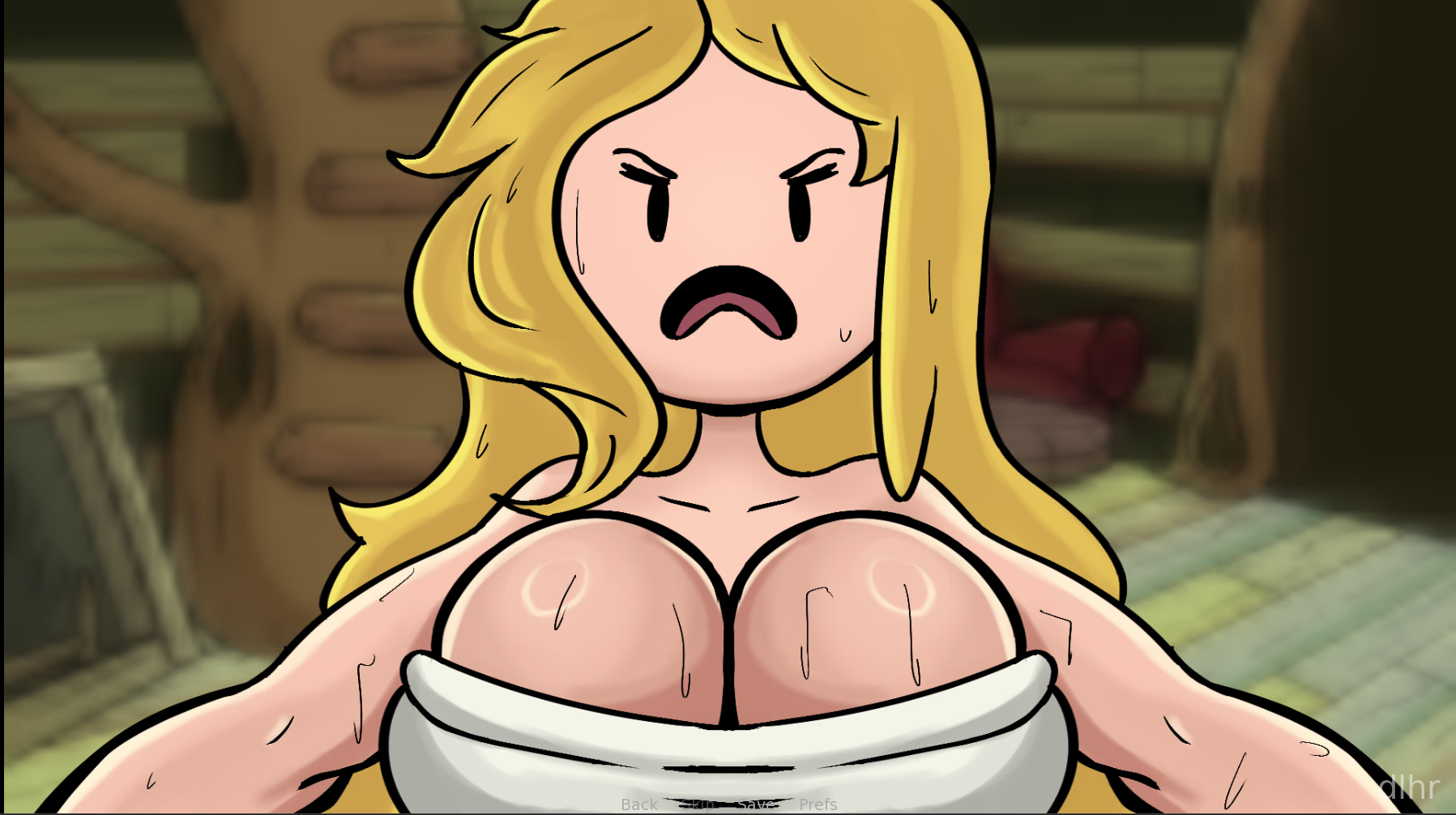
📖 You get the classic visual novel layout: character sprites, dialogue boxes, and background art that sets the tone without trying to be overly flashy, which works nicely on small and big Android screens alike.
🎧 If you play with sound on, the music and effects quietly support the mood rather than shouting for attention, making it easy to zone out and focus on reading.
💾 As a Ren’Py-based game, saving and loading is straightforward, so you can keep multiple save slots at key decisions and experiment with different paths without stress.
⚠️ One thing to know: the presentation is pretty simple and text-heavy, and if you’re expecting full voice acting, fancy animations, or lots of mini-games, you might feel it’s a bit barebones after a while.
Why Welcome to Tapiaca can be surprisingly engaging
You’ll notice pretty quickly that Welcome to Tapiaca leans hard into its atmosphere. The pacing is unhurried, the scenes take their time, and that slow burn works if you’re into character-driven storytelling. It feels more like reading a quirky graphic novel than playing a traditional game.
The UI is familiar if you’ve ever touched a visual novel before: clean dialogue box, clear name tags, and easy-to-reach menus. Nothing gets in the way, which I appreciated when playing one-handed on my phone.
What helps a lot is how stable it feels. No weird pop-ups, no confusing overlays, just you and the text. On my device, transitions were smooth and I didn’t notice any stutters, even when skipping back and forth through scenes.
That said, if your attention span is short, the repetition of tapping through long dialogue segments might wear on you. The game doesn’t really try to hide that it’s basically a long conversation with light interactivity.
How Welcome to Tapiaca plays in a normal session
Most of the time, a session with Welcome to Tapiaca starts with you loading your last save, reading a few minutes of dialogue, and making one or two key choices. You can easily fit this into a bus ride or a coffee break, since you can stop almost anywhere and pick up again later.
The touch controls are as simple as it gets: tap to advance, tap to select a choice, tap the side or a quick menu to access saves, logs, and settings. Nothing finicky, so it works fine even on smaller Android phones.
Performance-wise, it’s light. The game doesn’t chew through battery or data since it’s mostly static images and text, and it feels playable even on older devices. Once installed, you’re essentially offline, which is great if you’re playing in places with spotty signal.
I did notice that long reading sessions can feel a bit monotonous if you’re not already into visual novels. There aren’t many breaks in the form of puzzles or mini-games, so you really need to be okay with a “sit back and read” kind of gameplay loop.
Should you try Welcome to Tapiaca?
For me, Welcome to Tapiaca makes sense if you already enjoy visual novels or story-heavy games and want something low-pressure to run on your Android phone. It’s simple, text-focused, and doesn’t pretend to be anything else.
If you’re hunting for action, complex RPG systems, or high-end graphics, this probably won’t scratch that itch. But if you like the idea of a quiet, narrative-driven experience that you can chip away at in short sessions, it’s worth giving a shot.






Comments