



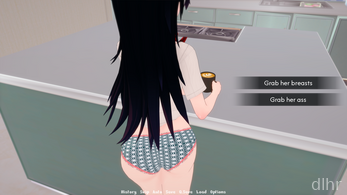

Vivy Days Game on Android – first impressions
Vivy Days feels like one of those small Android games you open when you just want something simple and relaxing, not a huge grind. Sessions are short, the pace is calm, and you can jump in and out without really thinking too much.
On a phone screen it looks clean and straightforward, with a focus on quick taps and small decisions rather than complex controls. You can easily play it one-handed while commuting or waiting in a line, which is kind of the whole charm here.
Don’t expect a giant story or console-level graphics. Vivy Days leans more into being a low-pressure time-killer that you can check a few times a day.
Main things Vivy Days actually offers
1. Simple, casual gameplay that works well on Android phones, built around short sessions instead of long marathons.
2. Touch controls that are basically just taps and swipes, so you don’t have to learn any complicated gestures or button combos.
3. A light, laid-back vibe that makes it easy to play when you’re tired or just want to zone out for a bit.
4. Small progression elements that give you a reason to come back, even if the loop can feel a bit repetitive after longer play sessions.
5. Modest file size and performance that should run fine on most Android devices without heating up your phone too much.
What stands out about Vivy Days
Vivy Days works best as a chill background game in your life. You open it, poke around for a few minutes, make a bit of progress, and then move on with your day. No pressure, no big commitment.
The interface is pretty straightforward. Menus are readable, buttons are large enough for smaller screens, and you don’t get lost in layers of options. That alone makes it a good pick for people who don’t want to fuss with tutorials.
There’s a nice, gentle rhythm to how things unfold. Nothing feels rushed, which is refreshing compared to a lot of Android games that spam you with timers and events right away.
On the downside, if you’re used to deeper mechanics or lots of modes, Vivy Days might feel a bit barebones after a while. It’s clearly designed more for casual players than for min-maxing or theorycrafting.
How a typical Vivy Days session plays out
When you first start Vivy Days, you’re guided through the basics with a quick, simple intro. Within a minute or two you already understand how to interact with everything, so there’s almost no learning curve.
Most of your time is spent doing short actions, waiting for small results, and then deciding what to tap next. It’s very much a pick-up-and-play loop, the kind of thing you can easily fit between messages or while watching TV.
Controls are responsive enough, and because it doesn’t rely on fast reflexes, playing on a smaller phone screen is totally fine. No weird gestures, no need for a controller.
Performance is what you’d expect from a light casual game: it runs smoothly on normal Android phones and doesn’t seem to drain battery as aggressively as heavier 3D titles. Just keep in mind that, like many casual games, some parts may start to feel samey if you binge it for too long in one sitting.
Final thoughts on Vivy Days
Vivy Days is a nice little option if you want a low-effort casual game on your Android phone. It’s easy to understand, doesn’t demand much time, and works well in short bursts.
If you’re chasing deep strategy, long story arcs, or online competition, you’ll probably outgrow it quickly. But for those moments when you just want something light to fiddle with instead of scrolling social media, Vivy Days fits that role pretty well.








Comments