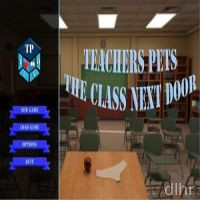
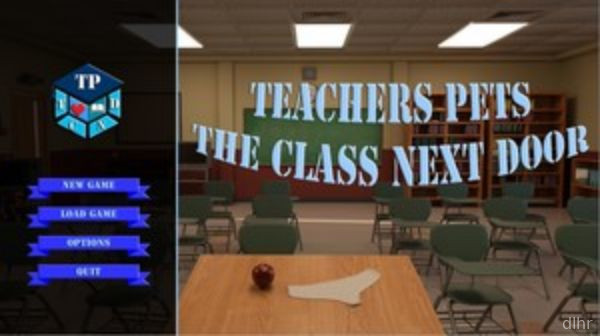
TP: The Class Next Door Game on Android – first impressions
TP: The Class Next Door drops you straight into a school setting with a pretty relaxed pace, more like reading a spicy manga than playing a twitchy game. On Android it feels like something you pick up at night, tap through a few scenes, make a couple of choices, and then put away until tomorrow. No stress, no timers counting down, just story.
You spend most of your time reading dialogue, watching character art change, and deciding how your character reacts to the people around them. The vibe is very “slow burn drama”: lots of talking, teasing, and tension between classmates. If you like kinetic, action-heavy stuff, this will feel very calm, maybe even too calm. But if you’re into character interactions and messy relationships, it’s easy to get sucked in.
On my phone the game runs smoothly, and the interface is pretty minimal, so it doesn’t feel cluttered. You can play one-handed, which makes it nice for the couch, the bus, or those awkward waiting-room moments when you don’t want to start a full-on RPG session.
What stands out in TP: The Class Next Door
🎭 Character-driven storytelling is the whole point here. The game focuses on conversations, flirting, and school-life drama rather than combat or puzzles, so you actually get to know the cast over time.
📚 Choice-based scenes let you nudge the story in different directions. Your answers can change how certain characters see you and what kind of scenes you unlock later, so it’s worth paying attention instead of just tapping randomly.
🎨 The art style leans into a classic visual novel look: character sprites, backgrounds, and simple transitions. It’s not AAA animation, but it does a good job of setting the mood and giving each character a recognizable personality.
📱 Designed for Android, the UI is straightforward: tap to advance text, tap to pick choices, and use simple menus to save or load. It’s easy to get back to where you left off, so quick sessions actually work.
🔕 One thing to be aware of: because it’s very text-heavy and scene-based, some players might find it a bit repetitive if they expect lots of different gameplay systems. You’re mostly reading and choosing, not doing mini-games or grinding stats.
Why TP: The Class Next Door can be surprisingly engaging
You start to notice that the writing leans heavily on tension between classmates, neighbors, and teachers, and that’s where the game hooks you. It’s less about saving the world and more about “what awkward thing is going to happen next period?” If you enjoy that kind of social drama, it hits the spot.
The pacing is on the slower side, which actually works well on mobile. You can chew through a couple of scenes before bed without feeling like you’re missing out on some big boss fight. It feels like watching an episode of a show rather than binging a whole season.
UI-wise, TP: The Class Next Door keeps things clean. Dialogue boxes are easy to read, buttons are big enough, and there aren’t a ton of extra menus to dig through. I didn’t run into weird pop-ups or confusing navigation, which is a relief.
There are moments where the story circles around the same topics and dynamics, so if you’re someone who needs constant new twists, that might wear on you a bit. But for people who like to sit with characters and watch them slowly change, the game gives you plenty of space for that.
How TP: The Class Next Door actually plays day to day
Most of the time you open the game, load your last save, and you’re instantly back in a conversation. No long loading screens or complicated setup. A typical session is ten to twenty minutes of reading and picking responses, which fits well into small breaks.
Controls are as simple as they come: tap to advance, tap to choose. No virtual joystick, no weird gestures. That also means it doesn’t chew through battery like a 3D action game would; on my phone it barely moved the battery meter during short sessions.
Because it’s a visual novel, you’re not fighting lag or frame drops. Even on mid-range Android devices, it feels stable and predictable. You can also usually play without relying on a constant connection, which is handy if you’re offline or on a bad signal.
Saving and loading is quick, so you can park your progress right before a big choice and come back later. That’s something I really appreciate, since not every mobile game respects your time like that. The only catch is that if you’re the type who mashes through text, you might accidentally skip lines and lose context, so it rewards a slightly slower pace.
Over longer play sessions, the lack of extra gameplay modes can start to show. You’re here for the story and the relationships, not for mini-games or side systems, so it’s worth knowing what you’re signing up for.
Is TP: The Class Next Door worth your time?
For me, TP: The Class Next Door works best as a chill, story-first game when I’m not in the mood for grinding or fast reactions. If you like visual novels, school settings, and a lot of dialogue, it’s an easy recommendation and feels right at home on Android.
If you expect action, skill trees, or deep mechanics, you’ll probably bounce off it pretty fast. But as a visual novel that you can play offline in short bursts, it does its job well and gives you a consistent, drama-filled story to follow whenever you’ve got a spare moment.







Comments