
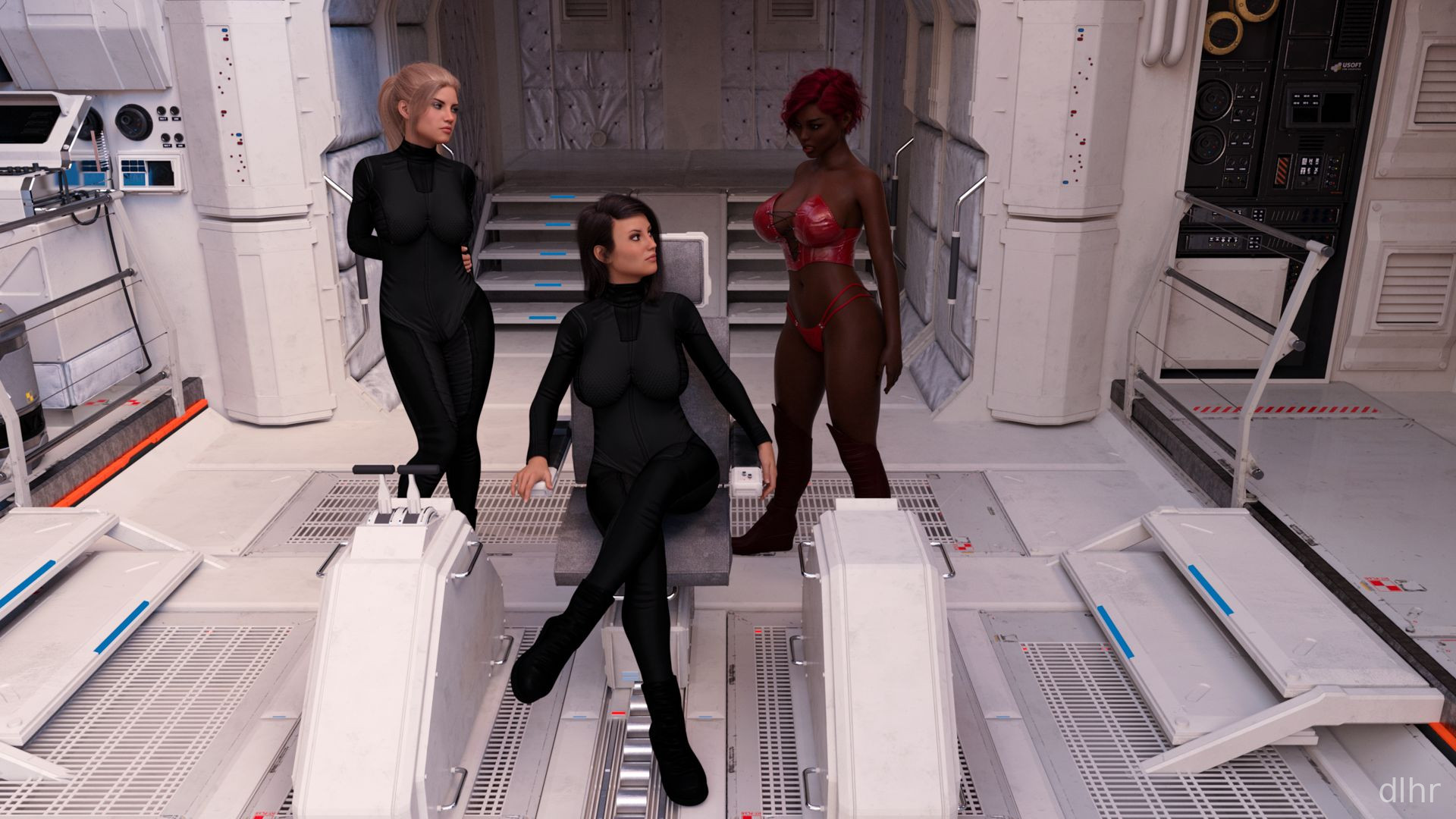
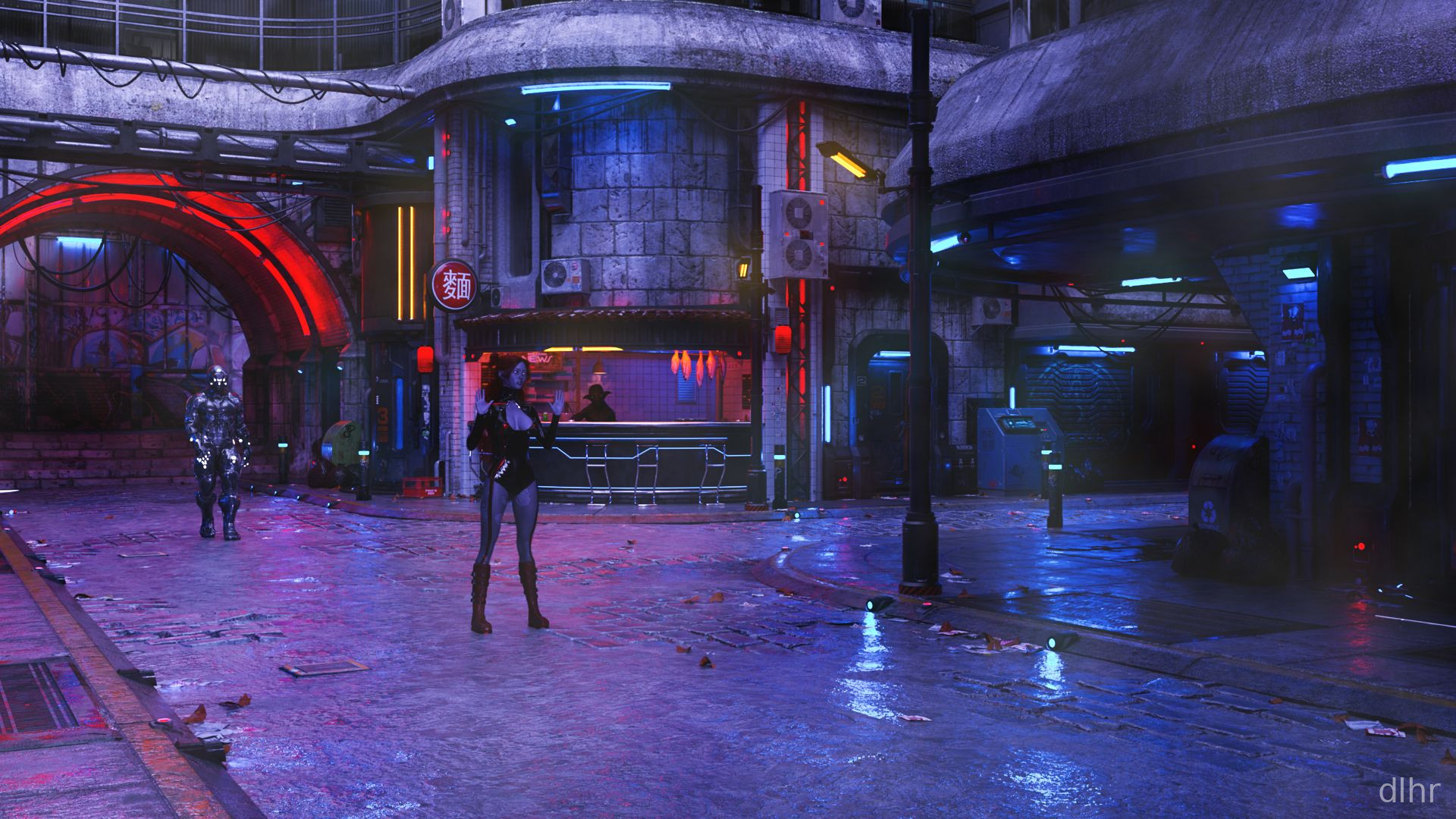
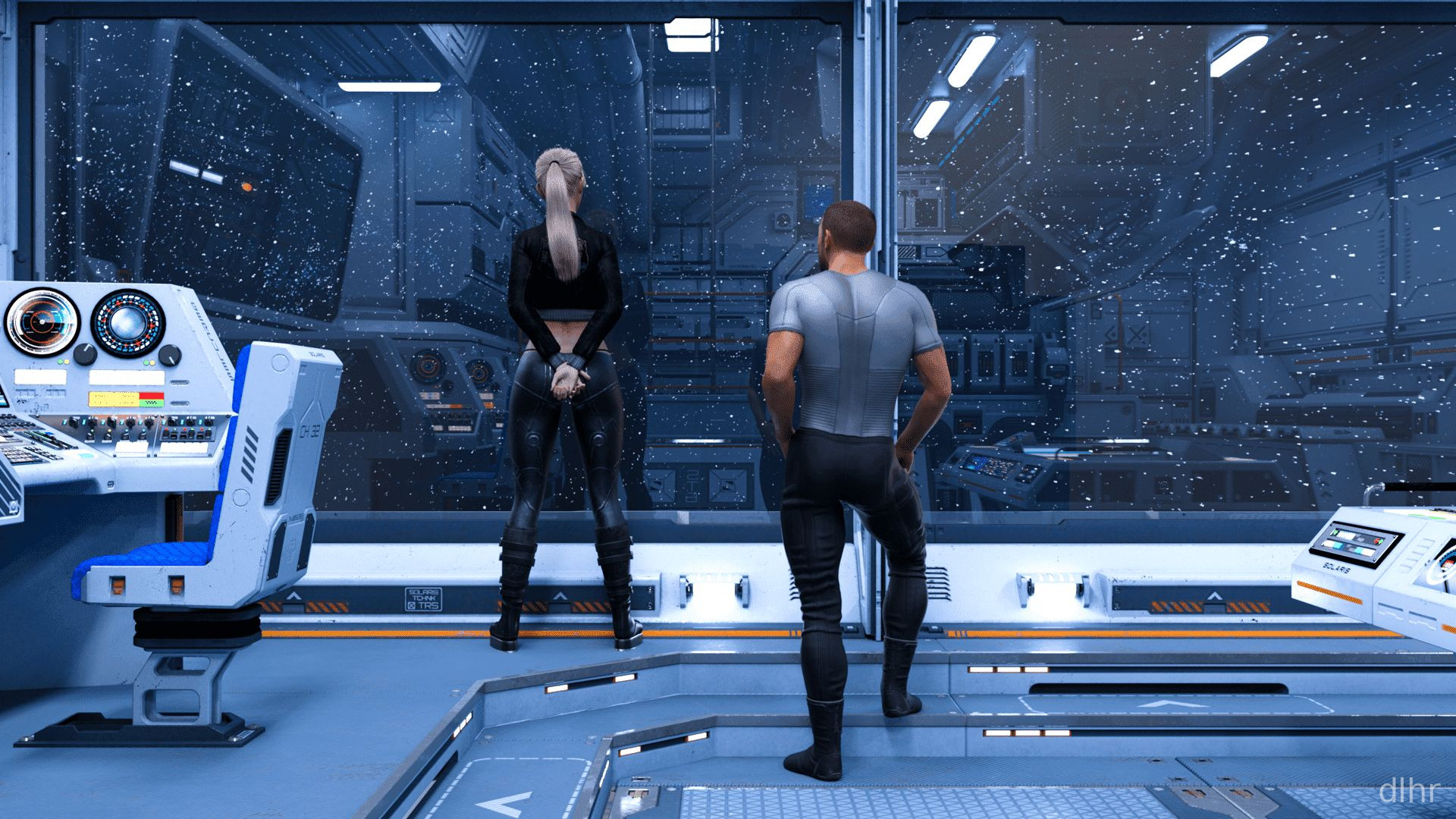
Through Spacetime Game on Android – first impressions
Through Spacetime feels like one of those quiet sci‑fi games you play late at night with headphones on. It is not about twitch reflexes or grinding levels; it is more about slowly exploring, reading the atmosphere and letting the story drip‑feed you as you go. On Android it runs at a relaxed pace, so you can pick it up for a few minutes, move a bit further along the journey, then put it away.
You move through strange locations, hop between areas, and gradually piece together what is going on. There is a low‑key, almost meditative tone to the whole thing. No loud UI, no cluttered HUD, just you, some simple controls, and the feeling that you are wandering through different slices of time and space.
If you like fast arcade stuff, this will probably feel slow. But if you are into narrative adventures and light puzzles on your phone, the mood here is pretty nice.
What stands out in Through Spacetime’s features
1. The core of Through Spacetime is exploration: you move your character around strange environments, check out details, and slowly unlock new areas as you progress.
2. There is a clear story thread running through the game, with a sci‑fi angle that leans more into mystery than heavy exposition, which works well on a small Android screen.
3. Controls are straightforward, so you can play with one hand most of the time; taps and simple gestures are enough to move, interact and advance.
4. The art and atmosphere are the main hook, with a focus on mood rather than flashy effects, though on some older phones you might see a bit of stutter in busy scenes.
5. Puzzles and interactions are generally light, so you are rarely stuck for long, but that also means players who want deep, complex challenges may find it a bit too simple.
Why Through Spacetime feels unique
You’ll probably notice right away that Through Spacetime is not trying to overwhelm you with buttons and menus. The UI is minimal, and that makes the game feel cleaner and more focused than a lot of mobile titles that throw pop‑ups and offers at you every few seconds.
The pacing is another strong point. The game gives you room to breathe between story beats, which fits the whole “wandering across time and space” concept. It is the kind of thing you can play slowly without feeling punished for taking your time.
Sound design helps sell the atmosphere too. Subtle background audio and gentle effects give the impression of distant places and shifting timelines without being loud or annoying, so it works well with phone speakers or basic earbuds.
There are some rough edges: depending on your device, loading between areas can take a moment, and some screens feel a bit empty. But if you value mood and story over constant action, those small issues are pretty easy to live with.
How the gameplay flows on Android
A typical session in Through Spacetime starts with you loading into one of the environments, getting your bearings, and checking for points you can interact with. Within a minute or two you are walking around, tapping objects, and nudging the story forward.
As you progress, new areas or scenes open up, and the game nudges you toward them without big arrows or noisy hints. You explore, maybe solve a simple puzzle or two, and then hit the next small story moment. It is very much “play at your own speed”.
Controls are responsive enough on touch screens, and the game does not demand precise timing, which is great if you are playing on a bus or one‑handed. I did not see any weird gesture requirements or awkward virtual buttons cluttering the screen.
Sessions can be as short as five minutes. You can jump in, clear a small section, then lock your phone and come back later without losing track of what you were doing. Battery drain is moderate; it is not a huge 3D graphics hog, but like any game, longer play sessions will still warm up your device a bit.
Final thoughts on Through Spacetime
Through Spacetime is a good fit if you want a calm, story‑leaning adventure game on your Android phone instead of another endless runner. It focuses on atmosphere, exploration and a gentle sci‑fi mystery rather than high‑stress gameplay.
If you expect deep puzzles or a ton of mechanics, you might find it a bit light. But as a quiet, short‑session game to relax with, it works surprisingly well. Worth a try if narrative adventures are your thing and you like playing something slower on mobile.








Comments