

Thrallworks: Orientation Game on Android – first run impressions
From the moment Thrallworks: Orientation boots up on Android, it feels more like a strange training tape than a typical mobile game. You’re dropped into this eerie corporate setting where everything is a bit too clean, a bit too controlled, and that tension hangs over every line of dialogue.
Instead of fast action, you get a slow burn, almost like you’re sitting through a weird onboarding session that keeps getting more unsettling. It’s the kind of thing you play with headphones on, lights low, just to let the mood sink in.
Sessions are short but intense, so it works surprisingly well on a phone. You hop in, poke around, read, listen, make a choice or two, and then sit there thinking, “What exactly did I just sign up for?”
What Thrallworks: Orientation brings to the table
🎮 The core of Thrallworks: Orientation is a narrative-driven experience, more about reading, listening, and reacting than about twitchy controls or combat.
🧩 You move through an orientation-style scenario, making small decisions that help you piece together what Thrallworks actually is and why everything feels slightly off.
🔊 Sound design leans heavily on ambience and subtle cues, so playing with headphones really pays off and makes the whole training-session vibe much creepier.
📱 Controls are simple tap-and-read style, which works nicely on Android screens and doesn’t ask you to wrestle with virtual sticks or complicated menus.
⚠️ The downside is that it’s pretty short and fairly linear, so if you’re expecting deep replay value or tons of branching paths, you might feel like it ends just when you’re getting comfortable.
Why Thrallworks: Orientation feels different
You can tell the focus here is atmosphere first, everything else second. The pacing is deliberate, almost awkward at times, and that awkwardness is what sells the creepy corporate tone.
Instead of jumpscares every two seconds, you get quiet moments and strange lines that make you question what’s really going on behind the scenes. It’s more unsettling than outright scary, which I personally prefer on a small screen.
The UI is minimal and doesn’t get in the way. Menus are straightforward, text is readable, and you’re not constantly fighting overlays or pop-ups. It feels like a weird training kiosk that just happens to live on your phone.
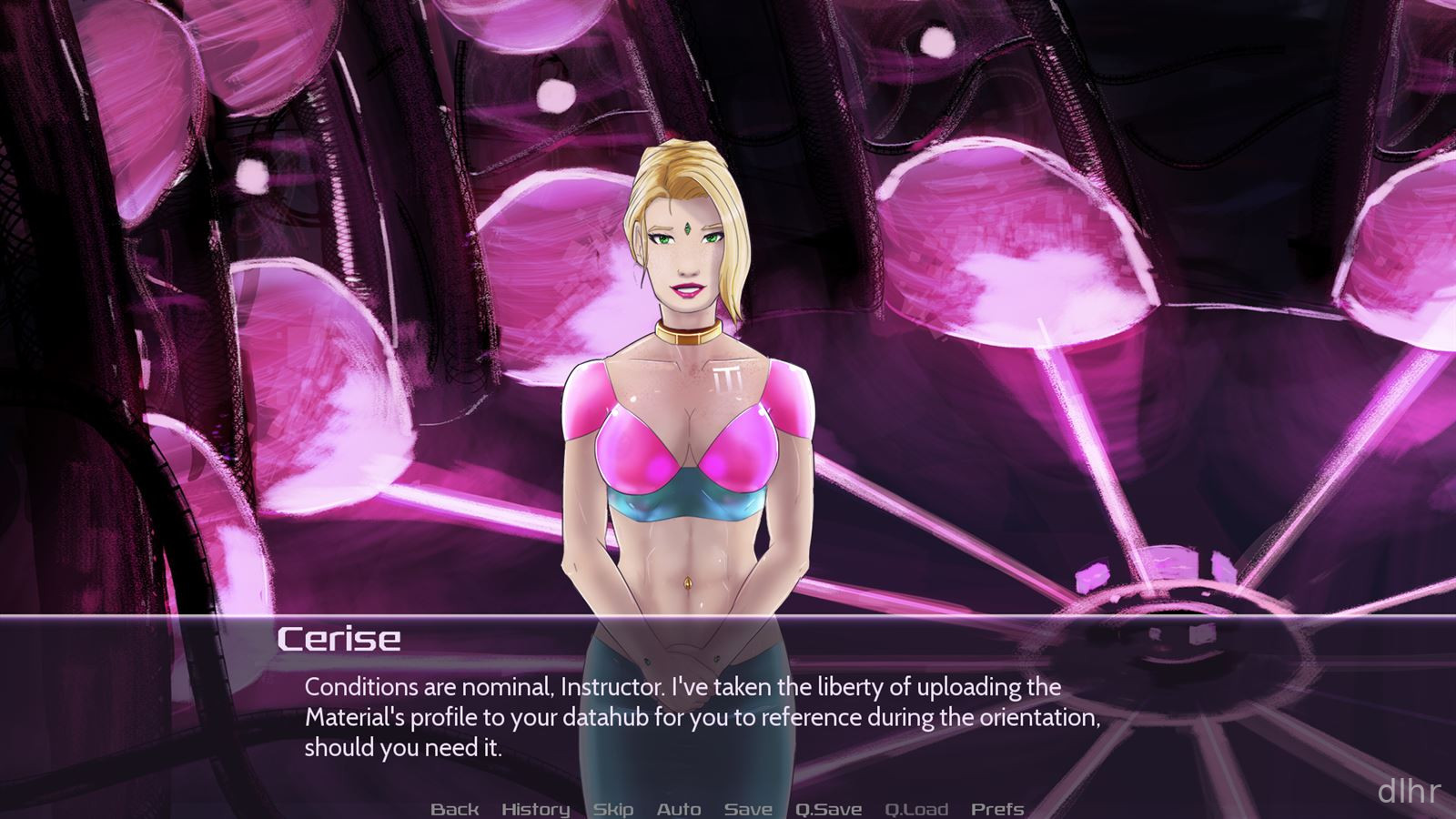
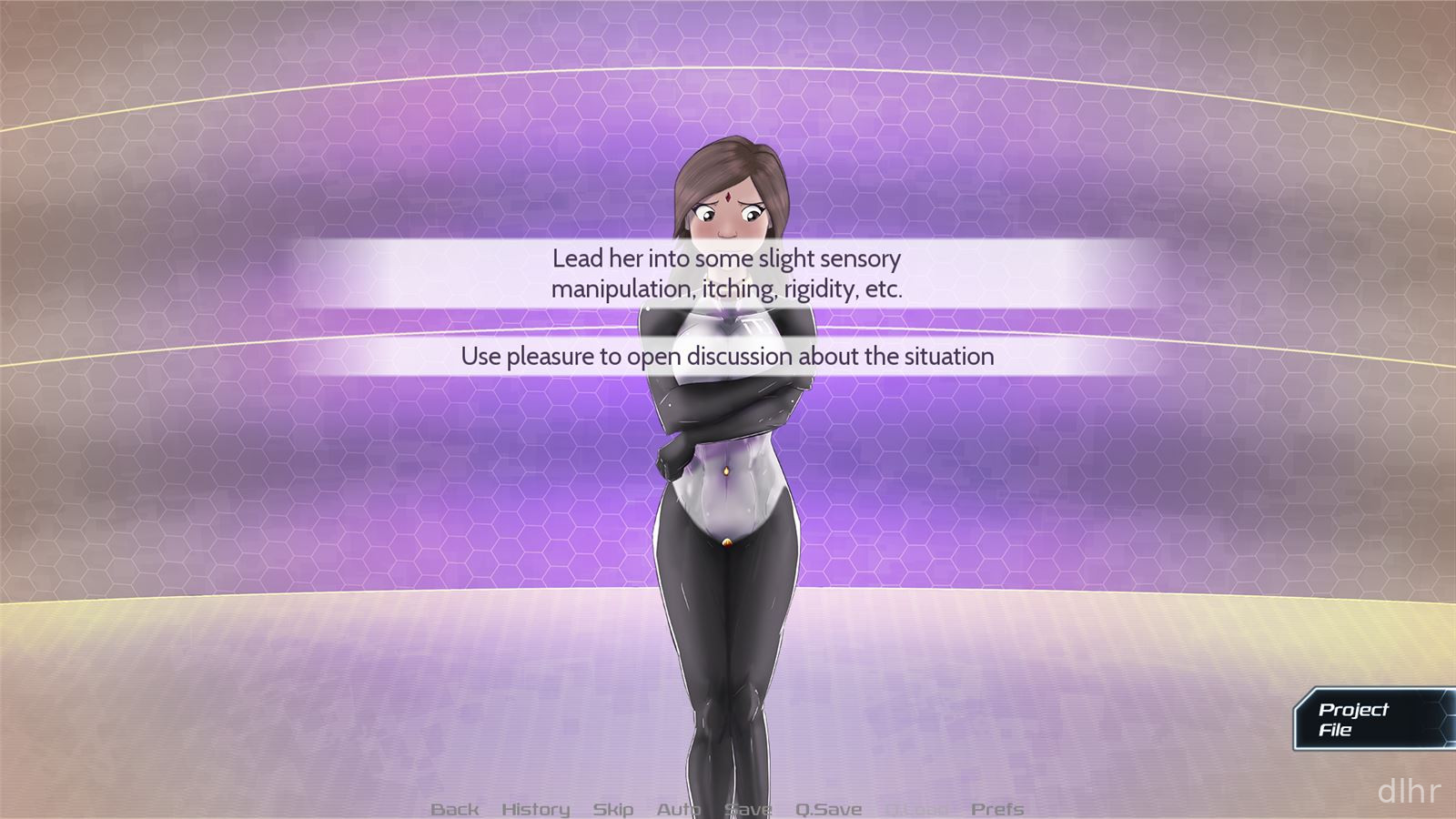
There aren’t many flashy graphics or big set pieces, but the art style and presentation are consistent enough that it all feels intentional rather than cheap. Still, if you’re used to high-end 3D horror, you’ll notice the simplicity.
How a typical Thrallworks: Orientation session plays out
Most of the time you’ll open the game, slip into the orientation scenario, and start tapping through dialogue and prompts. No long loading times, no huge tutorials; it just quietly pushes you into the role.
As you progress, you’re mostly reading, choosing responses, and watching the tone of the session twist from “corporate training” to “something is very wrong here.” Controls are just taps and occasional selections, so it’s easy to play on the bus or while waiting around.
The game doesn’t demand a massive time commitment. You can run through a chunk of it in a single sitting, maybe during a late-night break, and it still feels complete enough to stick in your head afterward.
Performance-wise, it’s light. No noticeable battery drain on my phone, no stutters, nothing that made it feel heavy or bloated. Just a compact, strange little horror story that loads quickly and then lingers in your brain longer than you expect.
Should you try Thrallworks: Orientation?
If you like short, story-heavy horror games that focus on mood instead of action, Thrallworks: Orientation is worth installing and running through at least once. It feels more like an unsettling corporate induction than a traditional mobile game, and that’s kind of its charm.
People looking for long campaigns, complex mechanics, or big skill-based challenges will probably burn through it quickly and move on, but as a bite-sized creepy experience on Android, it does exactly what it sets out to do.







Comments