



The Elders Betrayal - Solaria Game Introduction
The Elders Betrayal - Solaria throws you into a moody fantasy world where ancient powers, shady councils, and fragile alliances all clash at once. You are not playing a generic hero here; you are stuck right in the middle of a messy political and magical crisis.
Instead of rushing from battle to battle, the game leans heavily into story, choices, and consequences. Conversations matter, who you trust matters, and how you build your party can completely change how fights play out. It feels more like reading a dark fantasy novel that lets you control the most important decisions.
If you enjoy slow-burn plots, tactical encounters, and a world that does not hand you easy answers, The Elders Betrayal - Solaria Game is built exactly for that style of player. It is the kind of game you sit with, think about, and come back to because you want to see what happens next.
The Elders Betrayal - Solaria Game Features
1. Deep Story Branches: Choices you make in key dialogues shift alliances, unlock new paths, and can quietly close off scenes you will only see in another playthrough.
2. Tactical Party Combat: Every character brings unique skills, so positioning, timing, and synergy matter far more than simply having a high level.
3. Moral Grey Decisions: There is rarely a clearly good or bad option; the game loves to make you pick between two flawed outcomes and live with the fallout.
4. Rich Lore And Worldbuilding: Notes, side conversations, and background details slowly fill in the history of Solaria and the mysterious Elders behind the betrayal.
5. Character Progression Layers: Perks, gear, and ability upgrades let you nudge each hero into a specific role that fits your preferred approach to encounters.
The Elders Betrayal - Solaria Game Highlights
Branching dialogue paths -> Your answers reshape relationships with key NPCs and can turn potential enemies into uneasy allies or the other way around.
Hand-crafted encounters -> Battles feel designed, not random, pushing you to think about terrain, turn order, and which skills to save for clutch moments.
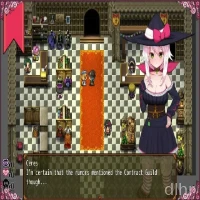
Atmospheric presentation -> Moody music, tense sound cues, and a darker visual style give Solaria a heavy, almost oppressive vibe that fits the plot.
Replay-friendly structure -> Because choices lock and unlock scenes, a second run can reveal new story beats, different party builds, and alternate outcomes.
Focused narrative pacing -> Instead of padding with filler, the game keeps you close to the main conflict, making even side content feel tied to the core story.
The Elders Betrayal - Solaria Game Gameplay
Start by exploring the opening hub, talking to every character you can, and picking dialogue options that match the kind of leader you want to be, because those early impressions linger.
Experiment with different party setups before committing, swapping heroes in and out until you find a mix of damage, control, and support that feels natural to play.
Pay attention to enemy patterns in combat, watching which skills they repeat and when they commit to big attacks so you can time your defensive abilities properly.
Manage your resources between encounters by pacing your skill usage, deciding when to rest, and choosing which items to save for boss-level fights.
Revisit earlier locations after key story beats, since new dialogue, optional scenes, and sometimes fresh encounters can appear once the plot advances.
The Elders Betrayal - Solaria Game Conclusion
The Elders Betrayal - Solaria Game feels like a slow, deliberate dark fantasy campaign rather than a quick mobile grind. It rewards patience, curiosity, and a bit of tactical thinking.
If you enjoy piecing together lore, making tough calls that actually matter, and tweaking party builds until everything clicks, this one is worth keeping on your device. It is not about instant gratification; it is about watching a complicated situation in Solaria spiral because of choices you made and then trying to live with them.






Comments