
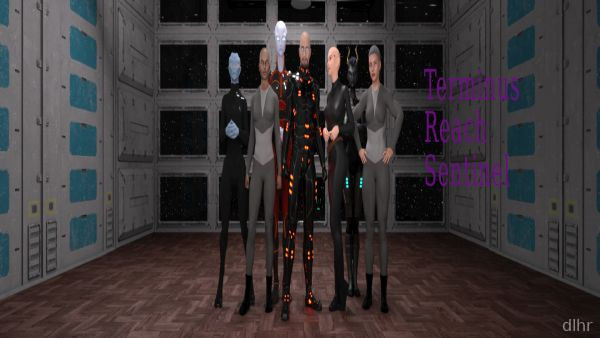
Terminus Reach: Sentinel Game on Android – first impressions
Terminus Reach: Sentinel feels like one of those old-school space shooters that somehow ended up on your phone in a good way. You jump straight into combat, no long intro, just lasers, enemies, and that slightly stressful "don’t crash" feeling. On Android it runs pretty snappy, so you’re mostly focused on dodging and aiming instead of fighting the controls.
The mood is very arcade. Short bursts of action, quick restarts, and that "one more try" loop. If you like the idea of piloting a small ship through hostile space, shooting anything that moves, this scratches that itch without trying to be a huge AAA thing.
Visually it leans more toward functional than flashy, but that also means it plays fine on mid-range phones. You just get in, blast some enemies, maybe die in 30 seconds, laugh, and go again.
What stands out in Terminus Reach: Sentinel’s features
1. You control a single sentinel ship, weaving through enemy fire and obstacles while blasting targets, so the focus is tight and easy to understand even on a small screen.
2. Levels are structured around quick missions, which works well on Android when you only have a few minutes to kill between other things.
3. Controls are simple enough that you can play with one or two thumbs, making it comfortable in portrait or landscape depending on how you like to hold your phone.
4. Enemy patterns and projectiles keep you moving constantly, so the game leans heavily into reflexes and situational awareness rather than complicated menus or builds.
5. Because it’s more of a compact shooter, don’t expect huge story cutscenes or deep progression systems; it’s mainly about chasing better runs and cleaner clears.
Why Terminus Reach: Sentinel can be fun to stick with
You’ll notice pretty quickly that Terminus Reach: Sentinel is all about that tension curve. The first few seconds of a run feel calm, then the screen slowly fills with enemies and shots until you’re threading your way through chaos. When you survive a tight gap, it feels great.
There’s a nice rhythm to the way the game throws waves at you. It doesn’t reinvent space shooters, but it gets the basics right: readable bullets, responsive movement, and enough variety that you’re not just holding fire in a straight line.
On the plus side, the UI is clean. Menus are straightforward, and you’re never buried in confusing upgrade trees. That said, some players might find the lack of deeper customization a bit barebones if they’re used to modern roguelites with tons of unlocks.
Sound effects are punchy enough to sell the hits, and even with basic graphics, the game keeps a clear visual language so you can tell threats apart. No eye strain, no cluttered HUD, which matters a lot when the screen is full of bullets.
How the gameplay flows on a normal Android session
A typical session starts with you launching straight into a mission, moving your ship around the screen while auto-firing or holding a fire button, depending on how the controls are set. Within a few seconds, you’re already dodging enemy shots.
As you progress, waves start stacking, and you’re forced to pick sides of the screen, commit to risky gaps, and decide when to go aggressive versus just staying alive. Runs don’t take long, so it’s easy to play a handful of attempts while waiting in a line or on a short commute.
Performance-wise, it feels light. No huge loading times, no weird stutters on average Android phones, which is a relief for a game that relies on fast reactions. Battery drain is there, as with any action game, but not outrageous in short bursts.
After a while, you might notice patterns repeat and wish for more enemy types or mission twists, but the core loop stays tight. It’s one of those games you open for quick stress relief rather than a long evening grind.
Final thoughts on Terminus Reach: Sentinel
Terminus Reach: Sentinel is a straightforward space shooter that knows exactly what it wants to be: fast, focused, and easy to jump into on Android. If you enjoy old-school arcade vibes and don’t need a massive storyline or complex systems, it’s an easy one to recommend for short sessions.
If you’re chasing deep progression, tons of modes, or fancy 3D visuals, you might feel it’s a bit simple. But as a compact, reflex-heavy shooter you can keep on your phone for those spare minutes, it does its job well.








Comments