Sabrina the invisible art Game on Android – a strange little story to get lost in
From the moment Sabrina the invisible art boots up on Android, it feels a bit different from the usual noisy mobile games. The pacing is slower, more like reading a weird graphic novel where you occasionally have to make a call or poke at the environment. If you like games that let you sit with the mood instead of spamming buttons, this one leans hard in that direction.
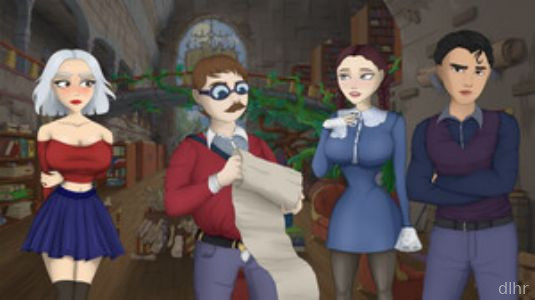
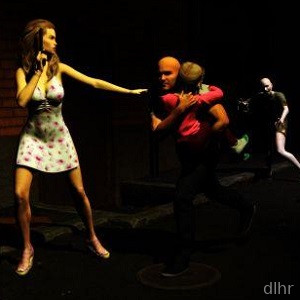
Visually and tonally it has that slightly eerie, indie vibe: muted colors, odd characters, and the sense that something is always a bit off in the background. You’re nudged to pay attention to small details rather than chasing high scores. It’s the kind of game you open late at night with headphones on, not in the middle of a noisy commute.
Don’t expect huge action set pieces or flashy 3D. Sabrina the invisible art is more about story, choices, and the feeling of wandering through someone’s strange sketchbook of ideas.
What stands out feature-wise in Sabrina the invisible art
🎭 Story first, mechanics second: Sabrina the invisible art is built around its narrative, with scenes that play out like chapters and decisions that tweak how the story unfolds instead of drowning you in complex controls.
🧩 Light puzzle elements: every so often you’re asked to interact with objects, figure out small environmental clues, or choose dialogue that feels like solving a social puzzle rather than doing a traditional “find the key” task.
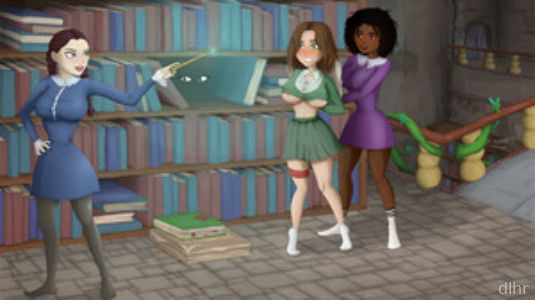
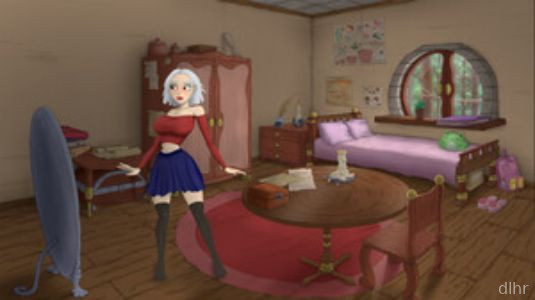
🎨 Distinct visual style: the art direction is deliberately odd and a little rough around the edges, which actually works in its favor if you’re into indie aesthetics instead of polished AAA gloss.
🔊 Focused audio atmosphere: sound effects and music are used sparingly, so when something changes in the soundscape you notice it, and it usually means the scene is shifting in an important way.
📴 Mostly offline friendly: once you’ve got Sabrina the invisible art installed, you can play the story without being glued to a network, which makes it decent for flights or dead zones.
📦 One thing to keep in mind: for a narrative game, some players might find the pacing a bit slow and the replay value limited after you’ve seen the main story paths, so it’s better to come in expecting a contained experience rather than an endless grind.
Why Sabrina the invisible art feels unique
What I liked most about Sabrina the invisible art is how it doesn’t rush you. Scenes linger just long enough for you to soak in the art and weirdness before nudging you to the next moment. There’s a confidence in that slower rhythm that you don’t see in many mobile titles.
The interface is minimal and mostly stays out of your way. You’re interacting directly with the scene, not fighting through menus. That makes it easier to forget you’re on a phone for a bit and just treat it like a short, interactive story.
There’s also a subtle sense of unease throughout the game that keeps you curious. Nothing jumps out and screams horror, but the writing and visuals hint that things are not quite normal, which works really well if you enjoy psychological or slightly surreal stories.
On the downside, players who want crystal-clear objectives and constant feedback might feel a bit lost here. Sabrina the invisible art sometimes expects you to just explore and sit with ambiguity, which I personally enjoyed but can be frustrating if you’re in a more “gamey” mood.
How Sabrina the invisible art actually plays day to day
Most sessions with Sabrina the invisible art start quietly: you open the game, it drops you back into the last scene, and you poke around the environment or scroll through dialogue. No long loading screens, no forced tutorials every time you come back. You’re just back in Sabrina’s world in a couple of seconds.
Controls are very simple: tap to move the story forward, tap or drag to interact with things when prompted, and occasionally pick between different choices. Nothing here is going to test your reflexes, which makes it easy to play one-handed while you’re lounging on the couch.
It works well in short bursts, like 10–15 minutes before bed, but it’s also easy to lose track of time and play through an entire chapter in one go. The structure feels more like episodes than levels, so you naturally stop when a scene wraps up.
Performance-wise, it’s pretty light. Even on mid-range Android phones it runs smoothly, and battery drain is modest compared to 3D-heavy games. I didn’t run into any weird crashes in the version I tried, though occasional transitions between scenes can feel a bit stiff.
There aren’t constant interruptions with pop-ups or noisy overlays, which I really appreciated. Just be aware that, as with many indie-style games, once you’ve finished the main run there isn’t a huge amount of extra systems or side modes to grind through.
Is Sabrina the invisible art worth your time?
For me, Sabrina the invisible art makes sense if you’re in the mood for a quiet, slightly strange narrative adventure on Android rather than another competitive time sink. It’s more like curling up with a short, weird comic than booting up a typical mobile game.
If you want fast-paced action, deep RPG systems, or endless replay, you’ll probably bounce off it pretty quickly. But if you enjoy story-driven games, moody art, and the idea of exploring a self-contained world over a few evenings, Sabrina the invisible art is an easy one to recommend as a change of pace.






Comments