
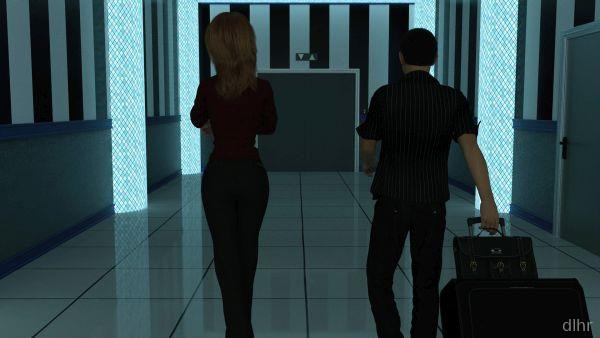
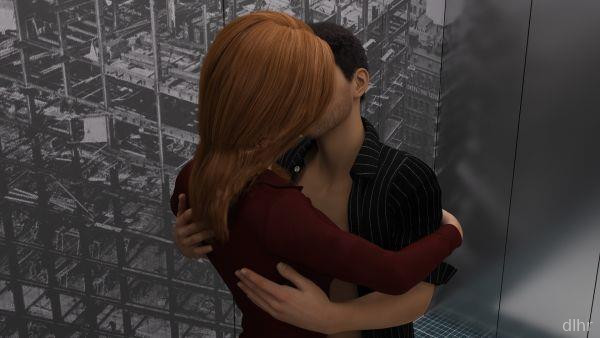
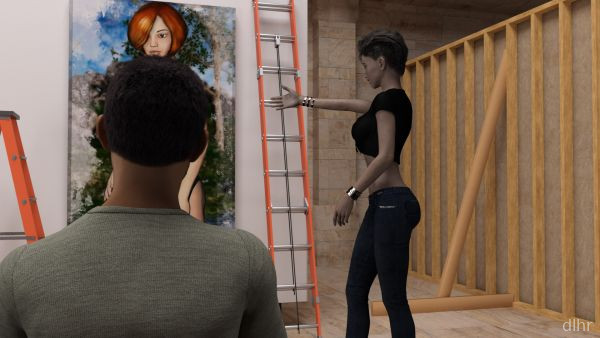
Nineteenth Game Introduction
Nineteenth is one of those mysterious story-driven games that drops you into a strange situation and lets you slowly piece things together. Instead of holding your hand, it nudges you with small clues, snappy dialogue, and choices that actually feel like they matter. You are not just watching a story; you are steering it.
The world of Nineteenth leans more on mood than on flashy graphics. It is all about tension, uncertainty, and that feeling of "wait, what is really going on here?" Every new scene pushes you to pay attention, think ahead, and decide who or what you really trust.
If you enjoy narrative-heavy games where your decisions shape the tone and sometimes the outcome, Nineteenth fits right into that niche. It is designed for players who like to read between the lines, replay scenes, and test different paths to see what changes and what stubbornly stays the same.
Nineteenth Game Features
1. Branching Choices: Every key scene gives you options that can change conversations, relationships, and occasionally the direction of the plot.
2. Suspenseful Atmosphere: The game leans into tension and uncertainty, keeping you guessing about motives, secrets, and what might happen next.
3. Character-Driven Story: Instead of big explosions, Nineteenth focuses on personalities, conflicts, and the quiet moments where people reveal who they really are.
4. Replay-Friendly Design: Multiple paths and different outcomes encourage you to restart and make new decisions just to see how far the story can bend.
5. Minimalist Presentation: Clean visuals and a focused interface keep your attention on the dialogue, clues, and choices instead of distracting effects.
Nineteenth Game Highlights
Layered storytelling -> Conversations and small details slowly reveal what is really happening instead of dumping all the lore at once.
Meaningful decisions -> You feel the weight of your answers, especially when a simple line of dialogue shifts how a character treats you later.
Compact sessions -> Chapters and scenes are short enough for quick play sessions, making it easy to fit into a busy day.
Subtle mystery -> The game avoids cheap jump scares and goes for creeping doubt and slow-burn reveals that stick in your head.
Choice experimentation -> You can replay scenes to test different options and see which parts of the story are flexible and which are fixed.
Nineteenth Game Gameplay
Follow the unfolding story by reading each scene carefully and tapping through dialogue at your own pace, paying attention to tone and small hints.
Choose responses during key moments to shape how other characters see you and how some situations resolve, from calm talks to tense stand-offs.
Revisit earlier scenes when possible and experiment with different answers to discover alternate lines, new reactions, or slight shifts in the narrative flow.
Watch for recurring phrases, symbols, or events that might connect different parts of the story and help you understand what is really going on.
Take short breaks between chapters if the tension builds up, then come back with a fresh head to notice details you may have missed before.
Nineteenth Game Conclusion
Nineteenth is built for players who enjoy slow-burn stories, tricky choices, and that feeling of not being completely sure what the truth is. It does not rely on flashy action or endless grinding. Instead, it gives you a focused narrative space where your decisions actually feel like they carry some weight.
If you like narrative games that reward curiosity, replays, and careful reading, Nineteenth is worth a look. Set aside some quiet time, plug in your headphones, and see where your choices take you on your next run through the story.

![Peace of Mind: Watcher’s Eye [Tech Demo]](https://image.dlhr.com.cn/image/20260527/b52d1a2be821474fddf2989b5ae23288.jpg)






Comments