
My Wife Mariko Game Introduction
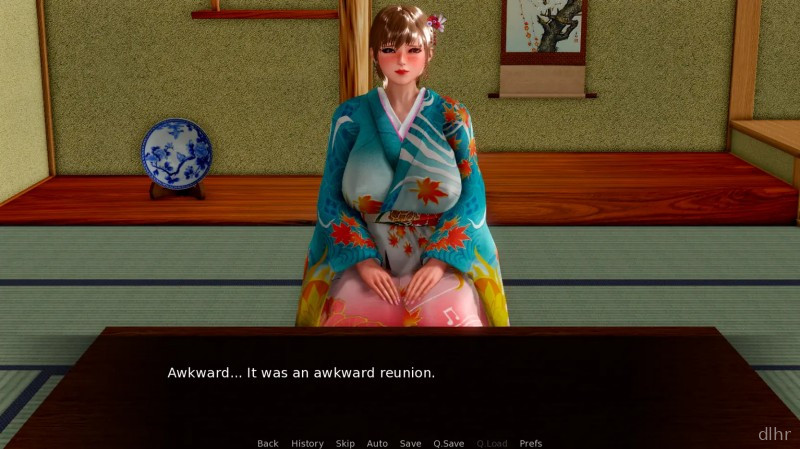
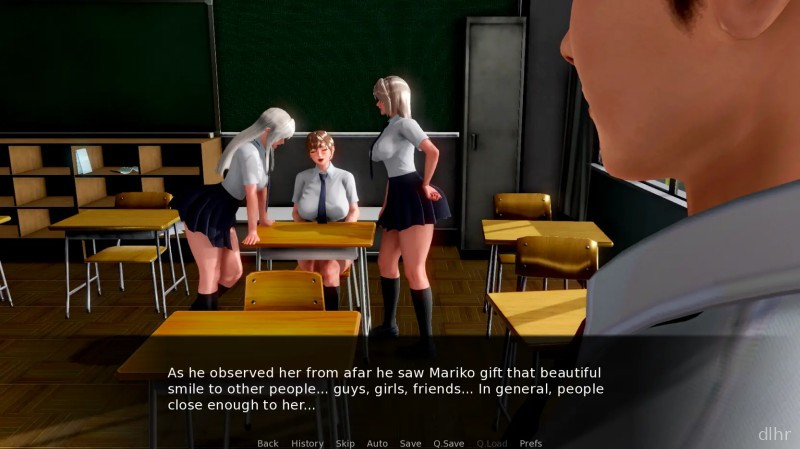
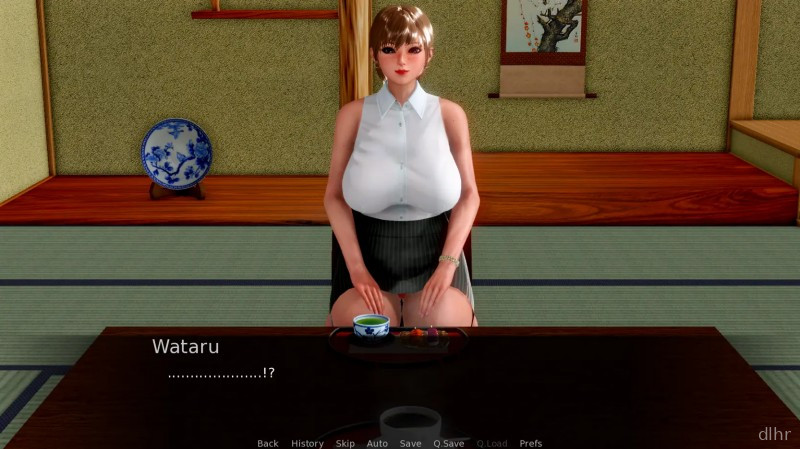
My Wife Mariko is a story-driven visual novel that leans heavily into emotions, memories, and quiet moments rather than fast action. You follow a deeply personal journey centered around a husband and his wife, with the focus on how small details of everyday life can hit surprisingly hard. It feels closer to reading a graphic novel than playing a typical game, which is exactly what makes it stand out.
Instead of grinding levels or chasing high scores, you spend your time reading, making choices, and soaking in the atmosphere. The pacing is gentle, the tone is reflective, and the story aims to pull you in with believable dialogue and carefully framed scenes. If you like narrative-heavy experiences that feel intimate and human, My Wife Mariko fits that niche nicely.
My Wife Mariko Game Features
1. Emotional Storytelling: The main draw is a grounded, heartfelt narrative that focuses on relationships, grief, and memory rather than fantasy or over-the-top drama.
2. Visual Novel Format: You progress by reading dialogue, watching events unfold, and occasionally making choices that tweak how certain scenes play out.
3. Simple Touch Controls: Navigation is straightforward, with taps and swipes to move text, pick options, and review previous lines if you want to reread a moment.
4. Atmospheric Presentation: Background art, character portraits, and quiet sound design work together to create a calm, reflective mood.
5. Choice-Based Moments: Certain decisions let you lean into different reactions, which can change the tone of conversations and how you feel about the characters.
6. Focused Play Sessions: Chapters are structured so you can play in short bursts, making it easy to pick up and continue the story whenever you have a spare moment.
My Wife Mariko Game Highlights
Grounded characters -> The cast feels like real people with flaws, regrets, and little habits that make their interactions more believable.
Slice-of-life tone -> Instead of big plot twists every minute, the game leans into everyday details that slowly build emotional weight.
Clean UI -> Menus, text boxes, and choices are easy to read and navigate, so you are never fighting the interface just to follow the story.
Save when you want -> Flexible save options let you stop mid-chapter and pick up exactly where you left off later.
Replayable scenes -> You can revisit key parts of the story to see how different choices change the feel of certain conversations.
Low-pressure gameplay -> No timers, no reflex challenges, just relaxed reading and decision-making at your own pace.
My Wife Mariko Game Gameplay
Start by reading through the opening scenes and getting a feel for the relationship at the heart of the story.
Pay attention to the dialogue and subtle visual cues, since small details often hint at deeper emotional layers.
Tap to advance the text at your own speed, taking breaks whenever a scene hits particularly hard or makes you think.
Choose responses that match how you personally would react, or experiment with different tones to see how the mood shifts.
Use the backlog or history feature to reread lines you might have tapped through too quickly.
Save before big choices if you like to compare outcomes later without replaying entire chapters from scratch.
Revisit favorite scenes after finishing a route to appreciate foreshadowing and small touches you may have missed the first time.
My Wife Mariko Game Conclusion
My Wife Mariko is aimed at players who care more about story than spectacle. It trades flashy mechanics for quiet, emotional moments and lets you sit with its characters long enough for them to feel familiar. The whole experience is built around reading, reflecting, and occasionally deciding how conversations unfold.
If you enjoy visual novels, character-driven stories, or just want something slower and more thoughtful on your phone, this game is worth a look. It does not try to be everything at once; instead, it focuses on telling one personal story with care, giving you a compact but memorable narrative to carry around in your pocket.








Comments