

Lara Croft and the Lost City Game on Android – quick thoughts
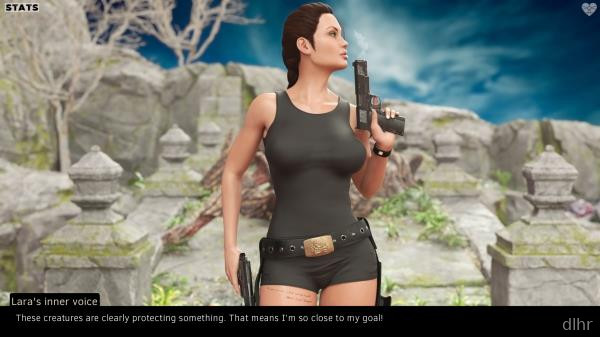
From the first few minutes, Lara Croft and the Lost City feels like a throwback to classic tomb‑raiding vibes, but tuned for short Android sessions. You’re dropped into forgotten ruins, pushing forward room by room, with that familiar mix of curiosity and mild danger hanging over everything.
Moment to moment, you’re mostly exploring corridors, triggering switches, and watching short story bits unfold. It’s not a huge console‑scale epic, more like a compact adventure you can open on the couch or on a commute, play a level or two, and then put away without feeling lost when you come back.
Visually it aims for cinematic adventure, but in a mobile‑friendly way. Animations and camera angles try to keep things moving, while the pacing leans toward steady progress rather than brutal difficulty spikes.
What stands out feature‑wise in Lara Croft and the Lost City
Exploration is the core here: you guide Lara through a chain of ancient locations, each with its own layout, hazards, and small secrets. Maps are usually tight and focused, so you rarely wander aimlessly for long.
Light puzzle elements break up the walking and climbing. Expect lever combinations, pressure plates, and environmental clues rather than super complex brain‑burners. Good for casual play, maybe a bit too simple if you love hardcore puzzles.
There are action beats sprinkled in, with traps to dodge and occasional quick reactions needed. It keeps you awake without turning into a pure action game that demands perfect timing every second.
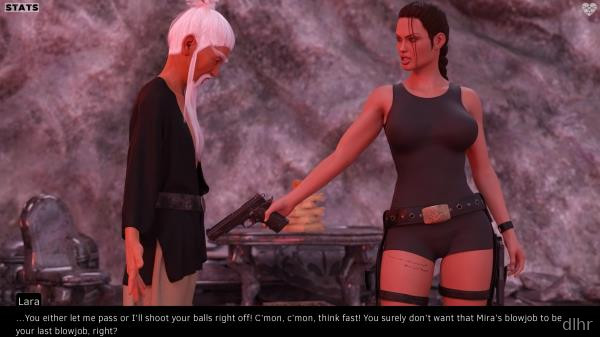
Story snippets and dialogue try to keep a sense of mystery going as you get deeper into the Lost City. You get that “what’s around the next corner?” feeling, even if the narrative itself is pretty straightforward.
On the downside, some sections start to feel a little repetitive: similar corridors, familiar trap setups, and a few reused ideas. If you binge it for hours, you’ll notice the patterns more than if you play it in short bursts.
Why Lara Croft and the Lost City can be fun to stick with
There’s a certain comfort in how predictable the flow becomes. You load up a level, poke around for a few minutes, solve one or two simple puzzles, dodge something dangerous, grab the reward, and move on. It’s easy to slip into that rhythm after a long day.
Controls are tuned for touch, so moving and interacting doesn’t feel too fussy. Once you get used to the layout, you can play one‑handed in a pinch, which is great if you’re half‑paying attention while doing something else.
The atmosphere is probably its biggest strength. Even without ultra‑fancy graphics, the combination of ruins, shadows, and ambient sounds sells the idea that you’re poking around in a forgotten place. When the soundtrack swells as you enter a bigger chamber, it actually feels nice.
Performance is generally okay on mid‑range Android phones, though heavier scenes can cause a small stutter here and there. Nothing game‑breaking, but if you’re sensitive to frame drops you’ll notice it occasionally.
How the gameplay loop in Lara Croft and the Lost City feels day to day
A typical session starts with you loading into the next segment of the Lost City, checking the surroundings, and immediately hunting for anything that looks interactable. Doors, levers, suspicious walls – you quickly learn the visual language and start scanning without thinking.
After a few levels, you’ll probably fall into a pattern: open the game, clear a room or two, watch a short story moment, then take a break. It fits nicely into 10–15 minute windows, which is kind of the sweet spot for mobile adventure games anyway.
Controls are mostly tap and swipe based, so you’re not juggling a dozen virtual buttons. Sometimes the camera can be a bit stubborn, making certain jumps or interactions feel less precise than they should, but it’s more mildly annoying than rage‑inducing.
If you’re playing on the go, you can jump back in quickly; loading times are acceptable, and you don’t have to replay huge chunks if you stop mid‑level. That makes it easy to treat it as a side game rather than a big commitment.
Battery drain feels moderate: not the lightest app on earth, but also not something that will nuke your phone in one sitting. Longer marathons will warm up your device, so it’s better suited to a few shorter runs than an entire evening glued to the screen.
Is Lara Croft and the Lost City worth your time?
If you enjoy adventure games that lean more toward exploration and light puzzle solving than brutal combat, Lara Croft and the Lost City is an easy recommendation. It’s especially nice if you want something you can play in short chunks without losing the thread of what’s going on.
Players who expect deep systems, heavy RPG progression, or complex multi‑path storytelling might feel a bit underwhelmed. This is more about mood, simple challenges, and that classic treasure‑hunting fantasy than it is about min‑maxing stats.
For me, it works best as a side game: something to open when you’re in the mood for a small taste of tomb‑raiding adventure on Android, without having to commit to a giant, never‑ending epic.







Comments