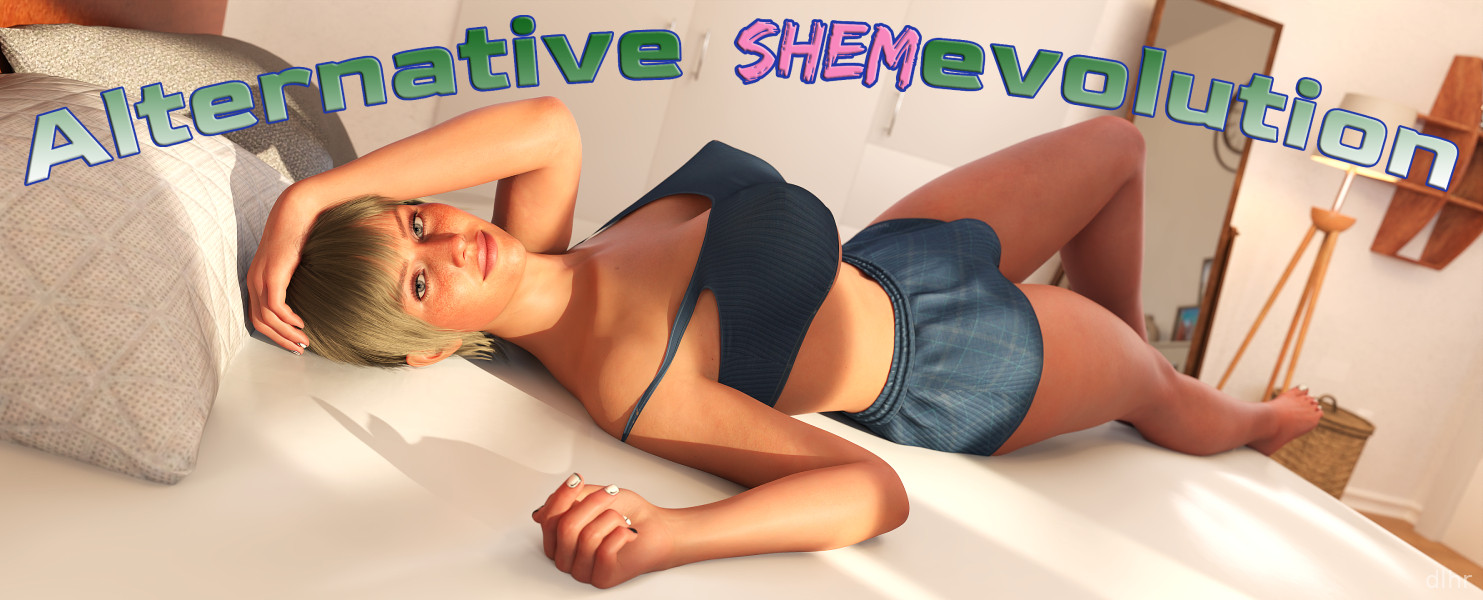





Alternative Shemevolution Game on Android – first impressions
Alternative Shemevolution feels like one of those weird little indie projects you stumble on, try out of curiosity, and then keep opening just to see what happens next. On Android it runs like a compact sandbox where you poke at patterns, watch things evolve, and slowly figure out what the game actually wants from you.
The vibe is pretty relaxed. No flashy AAA graphics, no loud sound design trying to impress you. Instead, you get a low-key, almost experimental feel where you’re nudging schemes, adjusting layouts and seeing how your tiny system reacts. It’s more about tinkering than pure action.
If you enjoy games that don’t explain everything upfront and let you discover rules by trial and error, this one fits that mood. It’s not going to be for everyone, but it definitely has that “small but interesting” Android game energy.
What stands out in Alternative Shemevolution’s features
1. You’re mostly interacting with evolving patterns and layouts, tweaking them to see how the system reacts, which makes the game feel like a light strategy toy more than a traditional puzzle.
2. The interface is simple and touch-friendly, so tapping, dragging and adjusting elements on an Android phone or tablet is straightforward once you get used to its logic.
3. Progress feels open-ended; instead of fixed levels, you experiment and slowly push your scheme into new states, which is fun if you like messing around without strict goals.
4. The game seems pretty lightweight, so it’s a decent option for older or budget Android devices that can’t handle heavy 3D titles.
5. On the downside, the presentation is pretty barebones and new players might feel a bit lost at first, since the tutorial and explanations are minimal.
Why Alternative Shemevolution can be interesting
You’ll probably notice right away that Alternative Shemevolution doesn’t try to copy big-name mobile games. It feels more like a personal project with its own strange logic, which is kind of refreshing if you’re tired of clones.
The main strength is how it encourages curiosity. You tweak a pattern, something shifts, and you think, “Okay, what if I move this instead?” That loop of small experiments is oddly satisfying, especially when you finally see a configuration click into place.
Visually, it’s clean and functional rather than pretty, but that also means there’s not much clutter. You focus on the schemes themselves, not on UI noise or pointless animations, and that keeps sessions quick and low stress.
One thing to be aware of: because it leans so hard into being experimental, some people will bounce off it fast. If you need clear missions, flashy rewards and constant feedback, this might feel too minimal.
How a typical play session goes
When you open Alternative Shemevolution on Android, you’re dropped into a board or layout with elements already in place. Your first few minutes are usually spent poking at everything to see what moves, what reacts, and what triggers changes.
As you start understanding the rules, sessions turn into small optimization runs. You try a new configuration, watch how the scheme evolves, then undo or adjust until you find something that behaves the way you want. It’s very much a “one more tweak” kind of game.
Controls are all tap and drag, and performance seems fine for a 2D experimental game. No crazy battery drain, no big downloads, just quick jumps in and out whenever you have a few minutes to spare.
Over longer play, the main thing that might slow you down is the lack of guidance. Sometimes you’ll hit a point where you’re not sure what the game expects next, and you just have to keep trying ideas until something works.
Final thoughts on Alternative Shemevolution
Alternative Shemevolution is one of those Android games that feels aimed at a very specific crowd: people who like experimental mechanics, minimal visuals, and figuring things out without much hand-holding. If that sounds like you, it’s worth grabbing the APK and playing around with it.
If you’re after loud action, heavy story, or polished graphics, you’ll probably see it as a quirky side project rather than a main game. But as a small, odd little sandbox to tinker with when you’re bored, it does its job pretty well.







Comments