



16 Years Later Game on Android – quiet, tense storytelling
16 Years Later feels like one of those games you start just to “check it out” and suddenly an hour has gone by. It leans heavily into story and choices rather than flashy graphics, so you spend more time reading, thinking and deciding what to risk next than mashing buttons.
On Android it plays out like a slow, tense journey through a world that’s still recovering from something bad that happened long ago. You’re mostly looking at text, simple visuals and menus, but your brain fills in a lot of the atmosphere. It has that slightly lonely mood where every small decision feels like it might matter later.
Sessions can be short if you want, but the game is clearly designed for people who like to settle in, read, and live with the consequences of their choices rather than speedrun through action scenes.
What stands out feature-wise in 16 Years Later
Story-driven gameplay comes first here, with most of your time spent reading events, talking to characters and picking dialogue or action choices that shape how things unfold.
There is a survival layer under the story, where you keep an eye on resources, weigh risks and try not to push your luck too far when exploring or dealing with strangers.
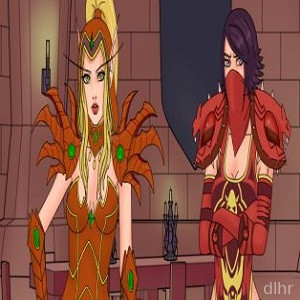
The visual side is minimal but functional, which keeps the app light and easy to run even on older Android phones, though it won’t impress anyone looking for high-end graphics.
Progression feels more like reading chapters of a book than grinding levels, so you get a sense of moving forward in the world rather than just chasing XP bars.
One thing to note: the pacing can feel slow and sometimes repetitive if you’re used to fast action games, especially when similar events or screens pop up during longer sessions.
Why 16 Years Later can hook you
You can tell the focus is on mood and consequence. The game gives you enough context to care about what happened 16 years before, but leaves enough unsaid that you keep pushing forward just to learn more about the world and the people in it.
Because the UI is simple and mostly text-based, your imagination does a lot of the heavy lifting. That actually works in its favor; it feels closer to an interactive novel than a typical mobile RPG.
Choices rarely feel completely safe. Even small decisions like who to trust or when to push on versus rest carry a bit of tension, which makes you slow down instead of just tapping through.
There are rough edges here and there, like some scenes or events feeling a bit barebones, but if you’re into narrative-first games, the atmosphere more than makes up for the lack of polish.
How a typical session in 16 Years Later plays out
Most runs start quietly: you open the game, pick up where you left off, read a bit of dialogue or narration, then make a choice about what your character does next. No long loading screens, no complicated menus to dig through first.
As you move deeper into the story, you juggle survival elements with narrative choices. Maybe you push into a risky area for supplies, maybe you stay cautious and miss out. The controls are basically just taps and swipes, so you can play one-handed on the bus without any trouble.
Because it’s more about reading than reacting, it works surprisingly well for short breaks. You can handle a scene or two in a five-minute gap, then lock your phone and come back later without losing the thread.
Performance-wise, it’s light. Battery drain is low, and I didn’t see any stutters. The only downside is that if you’re tired or distracted, the text-heavy style can feel like homework instead of a game, so it’s better when you’re in the mood to actually pay attention.
Stick with it for longer sessions and the slow build starts to pay off, as earlier choices come back around and you realize you’ve accidentally shaped a very specific version of the story.
Is 16 Years Later worth your time?
If you like narrative-heavy, choice-driven games and don’t mind reading a lot on your Android phone, 16 Years Later is easy to recommend. It’s closer to an interactive book with survival mechanics than a traditional action RPG, and that’s exactly the appeal.
If you’re chasing flashy graphics, fast combat or constant rewards popping up on screen, this will probably feel too slow and too quiet. But for players who enjoy sitting with a story and seeing how their decisions echo down the line, it’s a nice, low-key find.






Comments